
Screen time management is important today. There is no area of life devoid of screens.
Too much time spent looking at screens can result in poor productivity, eye strain, and poor sleep quality. Having a screen time management strategy is essential to maintaining a healthy balance. Screen time management can help not only children but also adults. For overall wellness, this blog will look at some actionable strategies for managing screen time. SentryPC is an excellent tool for more comprehensive management since it features content filtering and activity monitoring. Find out more about SentryPC here.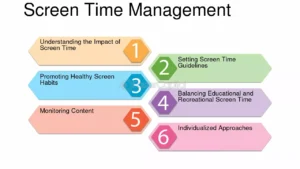
Credit: fastercapital.com
Introduction To Screen Time Management
It is vital to control and monitor screen time for children and teenagers. Without any control over screen time, serious issues such as sleep disturbances, poor eyesight, and poor posture arise. Properly distributing screen time during the day ensures a healthy mental and physical body.
Screen time management is crucial, and its benefits become evident when considering them. Screen time assists with improving focus and productivity while encouraging more physical and social activities. Parents can utilize tools such as SentryPC to restrict and monitor device usage. This software includes recording real-time activities and even filtering content. It works with many devices and gives detailed reports so everyone can stay current. Managing screen time is critical for a healthy, balanced lifestyle.
Assessing Your Current Screen Time
Begin by monitoring your screen time for every device daily. Many devices have integrated screen time tracking features. Search screen time reports and mark the time utilized for each task. Do this weekly to help you analyze usage patterns.
Determine what activities are the most time-consuming and evaluate their productivity. Trends like excessive gaming or social media browsing can be a problem. Try to identify moments of inactivity or pointless browsing. Change is possible once these habits are recognized.
Setting Realistic Screen Time Goals
Begin by monitoring your screen time for every device daily. Many devices have integrated screen time tracking features. Search screen time reports and mark the time utilized for each task. Do this weekly to help you analyze usage patterns.
Determine what activities are the most time-consuming and evaluate their productivity. Trends like excessive gaming or social media browsing can be a problem. Try to identify moments of inactivity or pointless browsing. Change is possible once these habits are recognized.
visit their website for more details on how It can help you manage screen time.
Ways To Cut Down On Screen Time
One way to spend less time in front of a screen is to exercise. Try some sports, go for a walk, or ride your bike. Not only are physical activities awesome for health and fun, but they also help improve mood and increase energy levels. Invite family or friends to join you. This makes activities more entertaining.
To spend less time on screens, you can pick up other activities such as reading, painting, or gardening. Offline hobbies free the mind, making you more imaginative and productive. Find a hobby that interests you so it becomes easier to stick to.
Establish certain areas in your home that are free from devices. Consider no screens in bedrooms and at dining tables. Trying out screen-free zones can single-handedly reduce screen use and enhance family interactions. These zones can even enhance the quality of sleep. They promote face-to-face communication and help with relaxation.
Using Technology For Effective Screen Time Management
With the help of technology, one can manage screen time effectively. There are limitations to the amount of time one can spend on a device, and various technologies help limit screen time. Also, offline hobbies should be encouraged for a more active lifestyle.
Using A Screen Time Management App
One of the easiest ways children and family members can avoid using devices for too long is by using a screen time management app. Such apps help set daily limits on an imaginary clock and can also block distracting apps and sites. An excellent choice is SentryPC, which can limit website access and provide real-time keystroke logging. This is a cloud application that can be accessed on several devices. This app would be very useful for kids, parents, and employers.
Applying Restrictions on the Device
Restricting access to a device is an alternative option for controlling the screen time of kids, employees, or family members. Users can set time limits, disable certain applications, and even block specific URLs on their devices. SentryPC enables scheduling for device usage and setting daily maximum limits. These restrictions help control other important activities beyond the screen.
Altering Screen Notification Messages
Notifications can also be set to alert users when they have hit a pre-set limit. SentryPC has blocked activities and reminds users when it is time to stop. The user is constantly notified of how much time is being wasted and how much time is left for efficient time usage. SentryPC allows instant notices and activity reports, but this limits the intended purpose.
Creating A Balanced Digital Diet
Employing a few screens is manageable. Establish limits for working with your gadgets and devices. Make sure to regularly give your eyes and brain a break.
Prioritizing Productive Screen Use
Focus only on screens that can be employed for productive purposes. Set goals to learn, work, or read during that time. Spend significantly less time on social media and video games. Not only does this help to fully utilize the time spent on gadgets, but it also improves the situation.
Balancing Work And Leisure Screen Time
Delineate between leisure and work screen time. Computer time-tracking software such as SentryPC is used for time supervision and control. Use time management for work tasks. Schedule restrained leisure time so that it does not get in the way of work. Regular breaks are necessary to refresh oneself.
Promoting Healthy Screen Time Habits In Children
Talk about screen time restrictions. Limit the time available on the screen. Could you encourage them to stick to the rules? Talk with everyone about the reasons these limits were set. It is essential to underscore how excess screen time can harm one’s health. Allow the children to participate in setting the restrictions. Put these rules where they can easily be seen in the home.
Limit screen time to help children develop a love for the outdoors. Encourage them to hike, ride bikes, or play sports. Go out with the family into nature, and remember to praise children when they play outside. Establish boundaries with screens by restricting their use to certain times of the day and encouraging children to engage in physical activities instead.
Lead by example by showing children the appropriate way to use screens and set a reasonable limit with your screen time. Use screens to complete productive tasks and refrain from using them during family time. Cultivate hobbies that do not require screens and encourage social interactions with no screens.
Check out SentryPC if you want more control over screen time. The device monitoring software allows for real-time activity tracking and shows what is being done on the device. Parents can decide how much time children should spend on their devices and when, if ever, they can use them. SentryPC is also multi-device compatible.
Mental health and Screen time
Look for equilibrium between screen time, reading, and walking. To maintain a higher level of well-being, a person’s device usage should be capped. Pay close attention to other interests and sleep, as time should be devoted to them as well.
Recognizing Screen Time Impact On Mental Health
Watching too much TV might make one anxious, stressed out, or even disturb one’s sleep. It could change one’s mood and make them feel sad and lonely. People who watch too much television are likely to be less active, which could lead to weight gain. Reducing screen time is vital. Striking a balance is essential.
Practicing Digital Detoxes
Put your devices down to rest and give your mind a break. Go outside for walks or spend time with offline books. Aim for a set amount of screen-free time each day. Challenge your friends and family to join you in these digital breaks. Use this time to modify nature and let your logic run free. Happiness can increase with diminished screen usage.
Seeking Professional Help When Needed
If excessive screen usage is distressing you, talking to someone can help. A therapist can help manage set restrictions around usage. He will manage the associated issues of compulsive screen usage. With appropriate expert help, individuals can learn to better manage their dependence on technology. Ask for support whenever it becomes necessary.
Evaluating And Adjusting Your Screen Time Plan
Establish guidelines to monitor daily screen time and target excessive use. Record how much you use devices and set boundaries that fit your lifestyle. Make a point of engaging in non-digital pastimes to enhance your life.
Frequently Reviewing Screen Time Objectives
Conducting frequent screen time reviews is essential. Analyze accomplished goals and pinpoint issues that need resolution. Fiddle with them as you gain new insights.
Modifying Plans as Necessary
If you notice a specific technique or element of your plan is not working, make changes to improve it. Experiment with new approaches to manage your screen time. Consider using tools like SentryPC for better control. Try out real-time activity monitoring to understand how your device is utilized.
Rewarding Achievements in Screen Time
Always remember to celebrate minor achievements. Treat yourself whenever you accomplish a screen time target set out to achieve. It serves as a good motivator. Monitor your achievements through tracking tools and analyze reports and visuals that detail the data for your performance.

Credit: www.thetechmum.com
In Summary: Mastering The Digital Balance
This is a reminder it is all about moderation. Screens can be helpful but should be used wisely and limited to a certain amount of time each day. Make sure to set times when breaks will be taken. It may be beneficial to use reminder apps for this. For sleep, consider removing screens from the bedroom to encourage real-life interactions. To provide a good screen-free experience, make outdoor activities available. Suggest reading books rather than opting for screens. As you engage in offline activities, remember to value quality over quantity. Enjoy time with your family outside of screens, pay attention to mindfulness, and be present in the moment as much as possible.
Stay consistent, especially when implementing your screen time policies. Limit these policies from time to time or review them. Communicate the goals with the family. Appreciate the little successes. Lead by example. Kids tend to copy their parents. Calm down. Progress will take time. Urge positive behavior. Modify the experience to make it fun and inspiring.
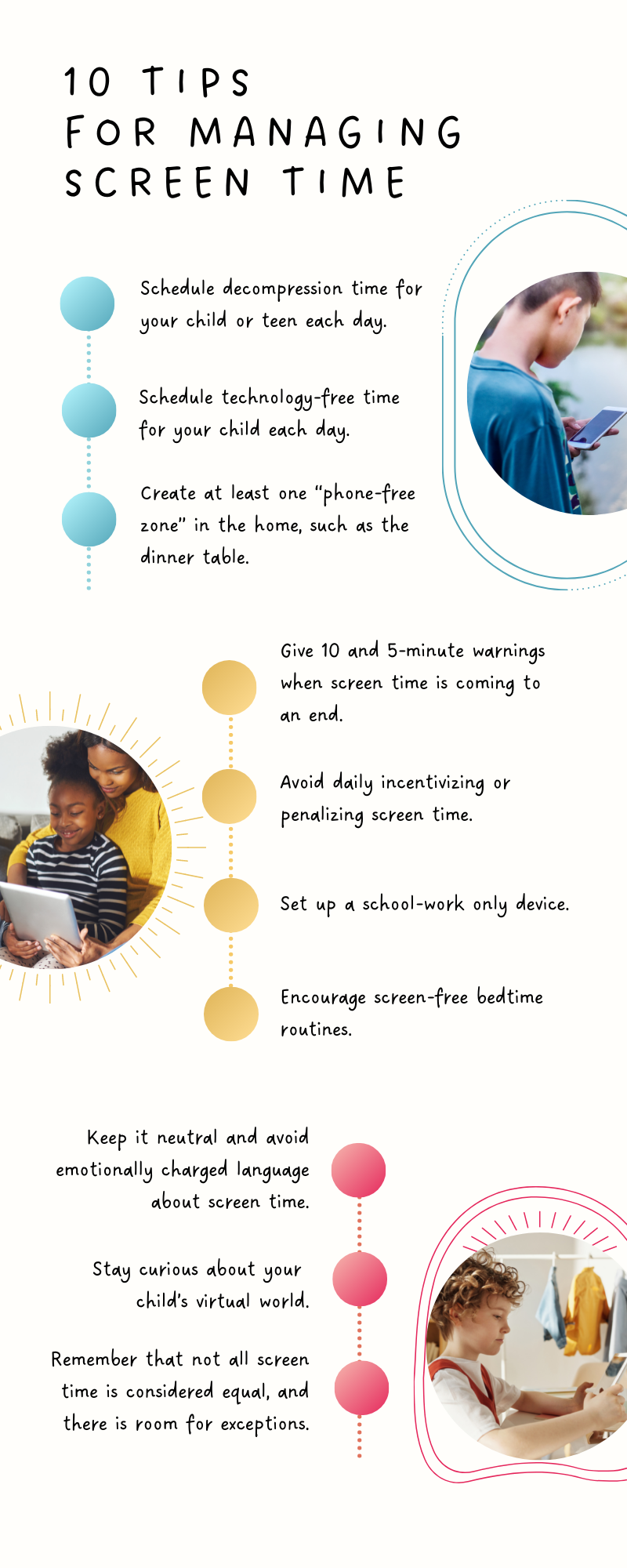
Credit: strategiesforlearning.com
Questions and Answers
How Can I Reduce Screen Time Effectively?
The easiest way to reduce screen time would be to set daily limits and take regular breaks. Consider engaging in reading or exercising to rest from the screens. You may also use software to track and limit your usage.
What Are The Benefits Of Limiting Screen Time?
Reduced screen time can promote better sleep, improved mental health, reduced eye strain, and more face-to-face interaction.
How Does Excessive Screen Time Affect Health?
Eye strain, poor posture, and sleep disturbance can be the overexposure effects of screens. There is also the possibility of obesity and deteriorating mental health.
What Are Some Tips For Managing Children’s Screen Time?
Set parental controls and rules regarding screen time. Encourage children to play outside. It is often better to set the screen time goal within a social context. You can actively engage your children in independent activities.
Conclusion
Managing screen time can be easy with these tips. Practicing balance will enhance habits. Having boundaries is paramount when wanting to increase productivity and health. Look into effective monitoring and control tools like SentryPC which has real-time activity tracking and content filtering features. Limiting screenshots, allowing breaks, and pausing sessions can be very beneficial. Stay consistent and calm for a successful outcome. Adjustments for lifestyle changes can be made, but remember, healthy screen habits contribute to a balanced life.